Frognal flat removals case study tight access solved
Posted on 25/06/2026
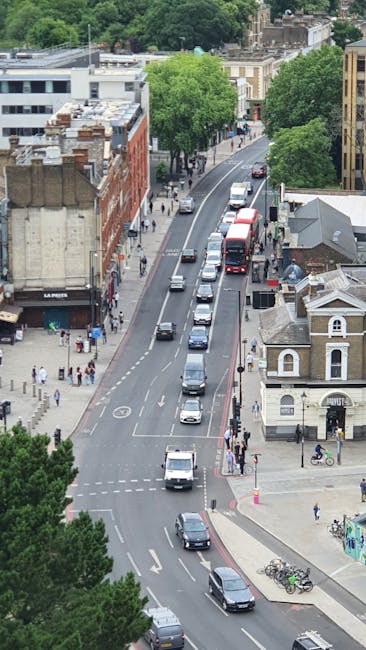
If you have ever tried to move a flat in Frognal, you already know the problem is rarely the boxes. It is the staircase, the doorway that feels two inches too narrow, the awkward landing, the van that cannot simply sit outside, and the general sense that the street has other plans for your moving day. This Frognal flat removals case study tight access solved article is here to show how a difficult NW3 move can be handled calmly, safely, and without turning the day into a small domestic disaster.
We will walk through what tight access really means, how a removal team approaches it, why planning matters so much in Frognal, and what practical steps make the biggest difference. You will also see the common mistakes people make, the tools and resources that genuinely help, and a realistic case study-style example of how the job is usually solved. Nothing flashy. Just the stuff that works.
Why Frognal flat removals case study tight access solved Matters
Frognal is one of those parts of Hampstead where the property stock can be beautiful and the access can be, to be fair, a bit of a puzzle. Many flats sit in period conversions, mansion blocks, or buildings with old staircases, split levels, basement entries, narrow communal halls, or parking that disappears the moment you need it. That combination is exactly why a "tight access solved" approach matters more here than in a generic flat move.
A lot of removals go wrong not because the crew lacked effort, but because the access challenge was underestimated. The items were measured loosely, the van arrived too large, the parking plan was vague, or nobody had checked whether a sofa would actually turn at the landing. One missed detail can add hours. Sometimes it adds stress that lingers longer than the move itself, and nobody wants that.
In a place like Frognal, the move needs to be designed around the building, not the other way round. That means planning for carrying distance, stair width, ceiling height, lift availability, neighbour access, parking restrictions, and the size of each item. If you are selling and buying in the area, or simply trying to move on a schedule, those details become even more important. For people comparing move types across the wider area, it can help to understand the difference between a standard flat move and a carefully planned flat removals service in Hampstead.
Practical takeaway: tight access is not just an inconvenience. It is a planning problem, and planning is what turns a difficult flat removal into a controlled one.
There is also a human side to it. People in Frognal often live in homes with specialist furniture, artwork, instruments, or bulky wardrobes that do not forgive guesswork. If the moving team is not prepared, the risk is not only delay. It is scratches on walls, stressed tenants, annoyed neighbours, and objects that do not survive the journey quite as well as hoped. Let's face it, nobody remembers the moving day for the right reasons when that happens.
How Frognal flat removals case study tight access solved Works
The process usually starts with a proper assessment. In a strong removal operation, access is treated as part of the job specification. That means asking the right questions early: where can the van stop, how far is the carry, which floor is the flat on, are there communal doors with codes, are there lifts, and do any large pieces need to be dismantled before the move?
From there, the team usually breaks the move into small operational decisions. Which vehicle size is the best fit? Should the move be done in a single trip or staged? Would a smaller vehicle or a shuttle setup reduce the carry distance? Do fragile items need special wrapping? Is temporary storage useful if the new property is not fully ready? These are not dramatic questions, but they matter a lot.
Access-led planning also tends to include timing. Morning slots can be helpful if street activity is calmer, but sometimes building rules or parking realities make another window better. You may notice that in some streets a few minutes makes a surprising difference. One van space can vanish, one neighbour can pull out, and the whole rhythm changes. Moving is a bit like that. It is oddly sensitive to the clock.
For people who want a broader view of service options, the wider removal services in Hampstead page is useful because it shows how flat moves fit into a larger support structure. In some cases, a smaller vehicle or a flexible crew from a man with a van in Hampstead arrangement is enough. In other cases, a full team with lifting equipment, furniture blankets, and a second vehicle is the safer answer.
A tight-access solution usually has four moving parts:
- Pre-move survey or detailed inventory.
- Parking and access planning around the street and building.
- Correct vehicle choice and crew size.
- Protective packing and careful loading discipline.
The point is simple. The move is engineered, not improvised.
Key Benefits and Practical Advantages
The biggest benefit is obvious: fewer problems on the day. But there are a few other advantages that are easy to overlook until you have lived through a bad move yourself.
- Less risk of damage: narrow hallways, steep stairs, and awkward corners are where furniture gets nicked, scraped, or trapped.
- Better time control: a move that accounts for access is usually faster than a move that keeps stopping to rethink the plan.
- Lower stress: when everyone knows the route, the lift plan, and the parking arrangement, the atmosphere changes immediately.
- More efficient labour use: the crew is not wasting energy repositioning items that should have been measured and scheduled better.
- Less neighbour friction: fewer repeated trips through communal areas means less disruption. That matters in Frognal buildings where people are sensitive to noise and congestion.
There is also an unexpected benefit: a proper access plan often reveals smaller costs or savings. Maybe you can avoid an extra man because the route is shorter than feared. Or maybe you realise early that storage would save a failed second move attempt. If you are comparing options, it is worth looking at pricing and quotes before making assumptions about what a tight-access move will cost.
And yes, sometimes the real advantage is emotional. A move that feels organised is easier to live through. You can breathe. You can make decisions. You can even have tea while the kettle gets boxed, which is about as British as it gets.
Who This Is For and When It Makes Sense
This approach makes sense for anyone moving from a Frognal flat where access is not straightforward. That includes top-floor conversions, basement flats, mansion blocks, older terraces, and homes where the furniture is large compared with the route out of the property. It also suits renters and owners who need the move completed within a narrow window, or who are dealing with building management rules that limit when items can be taken through communal areas.
It is particularly useful for:
- People moving out of period flats with narrow staircases.
- Tenants who need the move done between set check-out and check-in times.
- Homeowners selling in Frognal and trying to avoid delays on completion day.
- Anyone with awkward or valuable furniture, including pianos and large wardrobes.
- Households that need short-term storage in Hampstead because the new place is not ready.
If you are moving from a smaller flat with only a few items, a lighter-touch service may be enough. Student moves, for example, can be handled quite differently from a full household relocation, and it is often worth checking the practical differences between student removals in Hampstead and a more complex flat removal. The risk is not just size; it is complexity.
It makes less sense if the property has easy ground-floor access, ample parking, and standard-sized furniture. In that case, you may be over-engineering the move. Not every job needs a full tactical plan. But Frognal? Usually it does.
Step-by-Step Guidance
Here is a practical way to handle a tight-access Frognal flat move without losing the plot halfway through.
1. Survey the property properly
Start with the basics: floor level, stair turns, door widths, lift availability, parking options, and any items that are too large to move intact. If possible, take photographs of the access route. A couple of phone pictures can prevent a lot of confusion later. In our experience, the photo of the narrow landing is often more useful than a long explanation.
2. Measure the furniture that matters
You do not need to measure every mug. But do measure beds, wardrobes, sofas, mirrors, desks, and anything heavy or awkward. If a sofa can tilt, turn, or be dismantled, that should be known before the van arrives. Guessing at this point is a trap.
3. Decide whether dismantling is needed
Some furniture should come apart before moving day. Beds, table legs, and certain wardrobes are the usual suspects. Dismantling can reduce risk and save time on tight staircases, though it needs to be done carefully so the item can be reassembled later without a mystery bag of spare screws.
4. Plan the van position and carry route
This is where local knowledge helps. In streets like those around Frognal, the ideal parking spot is not always the closest one. Sometimes a slightly longer but safer carry is better than trying to force a vehicle into a tight position that creates more problems than it solves. If you want a local reference point, the Hampstead access and parking guide is relevant to this sort of planning.
5. Pack for awkward movement, not just storage
People often pack for boxes, but not for carrying through tight corners. Heavier items should be in manageable boxes. Fragile things should be cushioned so they do not rattle around on stairs or in the van. Wardrobes and glass items need extra wrapping. If you have not already sorted packing materials, see packing and boxes support in Hampstead.
6. Load in the right order
The loading order matters more than many people realise. Large, stable items go in first. Fragile boxes are kept protected. Items needed first at the new flat are loaded in a way that makes them easy to find. If the new property has access complications too, the team may need to reverse the unloading sequence so the most urgent pieces come out first.
7. Do a final access check before the truck leaves
It sounds obvious, but tired people forget things. Check keys, codes, lift bookings, parking permissions, and whether anything has been left behind in cupboards, balconies, or under beds. A final walk-through can save a return trip. And yes, people do leave chargers in the wall. All the time.
Expert Tips for Better Results
There are a few habits that make a big difference in tight-access removals, and they are often the same habits experienced crews rely on day after day.
- Use shorter, stronger boxes: tall weak boxes are a nuisance on stairs.
- Keep corridors clear: even one shoe rack can become a hazard in a narrow hallway.
- Wrap corners first: the corners of furniture hit walls before anything else does.
- Label rooms clearly: this saves time at the delivery end and reduces the "where does this go?" chaos.
- Protect floors and bannisters: good covering is boring until it prevents a scratch.
- Build a buffer into the schedule: tight-access moves almost always benefit from extra time.
If the item list includes anything especially heavy, unusual, or valuable, specialist handling is worth considering. For example, a piano is not just another large object. It behaves differently, weighs awkwardly, and needs proper handling. If that sounds familiar, take a look at piano removals in Hampstead.
One small but very real tip: talk to the crew before the day and tell them the inconvenient bits, not just the nice bits. That awkward stair bend? Mention it. The door that sticks? Mention it. The lift that is technically there but too small for much more than optimism? Definitely mention it.
Common Mistakes to Avoid
The same errors come up again and again in tight-access flat removals. Most are fixable if you spot them early enough.
- Assuming the van will fit outside: this is one of the biggest errors. Street reality often disagrees.
- Failing to measure the stair route: a sofa that fits the door might still fail on the turn.
- Packing too much into oversized boxes: they become difficult to carry and more likely to split.
- Leaving dismantling too late: doing it on the morning of the move can create avoidable pressure.
- Ignoring building rules: some flats have loading windows, lift booking requirements, or quiet hours.
- Not planning for parking changes: in London, the space you had on a reconnaissance visit may not exist later.
Another subtle mistake is underestimating how much fatigue matters. By the second or third hour, even a small access issue can feel enormous. That is why a good plan should reduce decision-making during the move itself. Less thinking, more doing. Much better.
Tools, Resources and Recommendations
You do not need a van full of gadgets, but a few practical tools are extremely useful in a Frognal tight-access move.
| Tool or Resource | Why It Helps | Best Use |
|---|---|---|
| Measuring tape | Checks stair, door, and furniture dimensions accurately | Before moving day |
| Furniture blankets | Protects wood, painted surfaces, and corners | Loading and stair carries |
| Straps and trolleys | Makes awkward lifting safer and more controlled | Heavy items and longer carries |
| Labels and marker pens | Keeps rooms and fragile items easy to identify | Packing day |
| Floor protection | Reduces damage in communal areas and hallways | Before lifting starts |
| Short-term storage | Gives breathing room when move dates do not line up | Delayed completion or staged moves |
For move types that are smaller or more flexible, a man and van service in Hampstead can be a sensible fit. If the job grows in complexity, the wider removals in Hampstead options may be more appropriate. That decision really depends on scale, access, and how much risk you are willing to carry on the day.
It is also worth reading through a company's insurance and safety information and health and safety policy. Not because you expect anything to go wrong, but because a proper operator should be clear about how they protect people and property. Reassurance matters.
Law, Compliance, Standards, or Best Practice
Flat removals in London are not heavily regulated in the sense that a legal specialist would need to be involved for every move, but there are still important norms and duties to respect. Safe lifting, property care, vehicle positioning, and sensible traffic behaviour all matter. If a building has rules on use of lifts, communal halls, or loading times, those should be followed. If a street requires careful parking arrangements, the move should not assume that a large vehicle can simply stop anywhere.
Professional movers should also work with reasonable care for health and safety. That means using correct lifting technique, not overloading boxes, keeping walkways clear, and avoiding unnecessary damage to common parts of the building. In a Frognal flat, where hallways and stairs may be narrow or delicate, this is not a minor issue. It is central to the job.
It is also standard practice to be clear about terms, payment arrangements, and complaint routes before the move. That can feel tedious when you are already juggling keys and packing tape, but it is part of a trustworthy service. If you want a clearer view of the company's general service framework, the services overview is a useful place to orient yourself, and the about us page can help you understand the people behind the work. For payment-related reassurance, the payment and security page is worth a look, and if you ever need to understand how issues are handled, there is also a complaints procedure.
On the sustainability side, many people now ask what happens to packing waste, surplus materials, or unwanted items after the move. That is fair enough. A responsible mover should be able to explain recycling and disposal practices in plain English, which is why recycling and sustainability matters more than it used to.
Options, Methods, or Comparison Table
There is no single right way to solve a tight-access flat removal. The best method depends on the building, the load, the distance, and the timing. Here is a simple comparison that shows how the main options usually stack up.
| Method | Best For | Strengths | Limitations |
|---|---|---|---|
| Full removal team | Multi-room flats, heavy furniture, difficult stair access | Efficient, controlled, better for bulky items | Usually the most expensive option |
| Man and van | Smaller flat moves, flexible schedules | Flexible, often simpler, useful for lighter loads | May be slower for very awkward access or large furniture |
| Staged move with storage | Delayed completion, downsizing, renovation gaps | Reduces pressure and avoids rushed decisions | Requires extra planning and sometimes extra cost |
| Specialist item handling | Pianos, antiques, oversized wardrobes, fragile pieces | Lower risk for valuable or unusual items | Only necessary for specific items, not every move |
If the move is urgent, a same-day removals option in Hampstead may be useful, but only if the access constraints have been understood in advance. Speed does not remove physics. The sofa still has to fit. Annoyingly, it just does.
For some properties, especially if you are comparing providers, it can also help to review removal companies in Hampstead and decide which service style suits the move rather than just which advert sounds the loudest.
Case Study or Real-World Example
Here is a practical example based on the sort of situation people run into in Frognal.
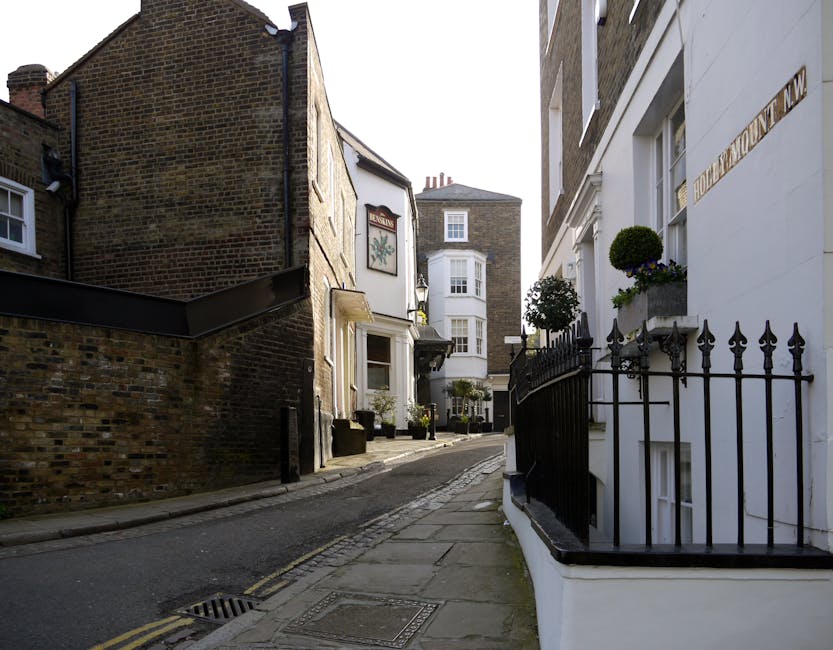
A couple moving from a top-floor flat in a period conversion had three major access issues. First, the staircase had a tight turn halfway down. Second, the street parking was limited and busy. Third, they owned one sofa that looked perfectly ordinary in the lounge but behaved like a small architectural project once it reached the hallway.
The solution started with a pre-move review. The team checked the dimensions of the sofa, confirmed that one set of bed frames should be dismantled, and identified the least disruptive parking option a short carry away from the building. They also protected the communal entrance and stair edges before any lifting began. It sounds simple. It is not simple in the moment, but it is manageable when everyone knows the plan.
On the day, the sofa was wrapped, angled carefully, and moved with a two-person carry rather than forcing it through alone. One crew member stayed ahead to guide the turn at the landing, while the second controlled the bottom end to avoid wall contact. The bed frames were disassembled first, which reduced the risk of a late-day bottleneck. The van was loaded in a sequence that made the delivery end easier too, so the essential furniture came off first at the new address.
What was the result? Fewer delays, no damage to the stairwell, no angry exchange with neighbours, and a move that finished in a predictable window instead of an all-day muddle. That is the real win. Not drama, just a clean outcome.
In a nearby context, people often face similar logistical pressure when dealing with street access and vehicle positioning around Hampstead Heath; the same planning mindset applies, which is why the NW3 removal van tips for Victorian terrace moves can be helpful reading for anyone dealing with awkward entrances or older London housing stock.
Practical Checklist
Use this checklist before moving day. It keeps things grounded.
- Measure the largest furniture pieces.
- Check stair widths, landings, and door clearance.
- Confirm whether a lift is available and usable.
- Decide what should be dismantled in advance.
- Book or confirm parking arrangements if needed.
- Protect communal areas and floor surfaces.
- Label boxes by room and priority.
- Set aside essentials for the first night.
- Consider storage if dates do not line up cleanly.
- Confirm payment, access instructions, and contact details with the mover.
- Keep keys, permits, and codes in one place.
- Walk the route from the flat to the van before the crew starts loading.
If you are unsure about item handling or the best service level, a quick conversation with a professional is usually the fastest way to get clarity. There is no prize for guessing. Well, unless you enjoy moving stress, which nobody does.
Get a free quote today and see how much you can save.
Conclusion
Frognal flat removals are often won or lost on access planning. Once you accept that tight access is the central challenge, not a side note, everything becomes easier to manage. You choose the right vehicle, prepare the right equipment, pack smarter, and avoid the kind of last-minute surprises that make moving days drag on.
The best moves in Frognal are rarely the loudest ones. They are the quiet, organised, carefully measured ones where the team knows what they are dealing with, the route is clear, and the furniture comes out without drama. That is what solved looks like in practice. Not perfect, just properly handled.
If your move includes a complicated staircase, bulky furniture, or a street where parking needs thought, take the time to plan well. It really does pay off. And when the last box is inside and the kettle is on, you will be glad you did.


