Health and Safety Policy for a Removal Van Service
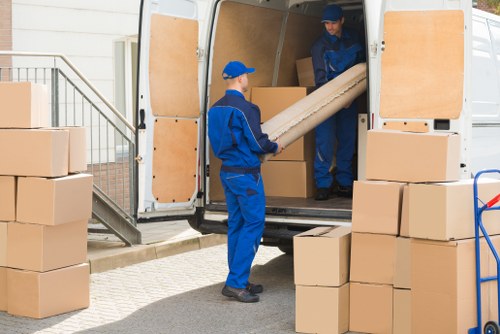 This health and safety policy sets out the standards expected in a professional removal van operation. Its purpose is to protect staff, customers, property, and the public through careful planning, safe working practices, and clear responsibility at every stage of the move. A reliable removals van service should treat safety as a core part of daily operations, not as an afterthought.
The policy applies to all employees, contractors, and anyone involved in packing, lifting, transporting, or unloading goods. It covers vehicle use, manual handling, loading methods, communication, site awareness, and emergency response. All work must be carried out with reasonable care, proper supervision, and a consistent focus on preventing harm.
We recognise that every move presents different conditions. Access routes, weather, weight of items, and the layout of a property can change the level of risk. For that reason, the approach used by a removal van Hampstead team should remain flexible while still following a strict safety framework. Risk is reduced when hazards are identified early and action is taken before work begins.
All workers must receive suitable training for their duties. This includes safe lifting techniques, correct use of equipment, safe vehicle loading, and awareness of how to move items without causing injury or damage. Training records should be maintained so that competence can be reviewed and refreshed where needed. Managers are responsible for ensuring staff understand the standards expected of them.
Manual handling is one of the main areas of concern in any removals van Hampstead operation. Heavy, awkward, or fragile items must be assessed before lifting. Team members should work together when required, use mechanical aids where appropriate, and avoid twisting or rushing movements. Loads must be balanced and secured so that they do not shift during transit. Safe lifting is a basic requirement, not an optional extra.
 Personal protective equipment should be provided and worn where necessary. Depending on the task, this may include gloves, safety footwear, high-visibility clothing, and protective materials for handling awkward objects. Equipment must be kept in good condition and checked regularly. Any damage or defect must be reported immediately so that it can be repaired or replaced without delay.
Vehicles used for removal work must be maintained to a high standard. Daily checks should cover tyres, lights, brakes, mirrors, fuel, and load restraint systems. The driver must confirm that the vehicle is roadworthy before setting off. A removal van service depends on safe transport, so maintenance is an operational priority rather than a background task. Only authorised and competent drivers should be permitted to operate company vehicles.
Safe loading is essential to prevent injury and damage. Items should be packed in a logical order, with heavier goods placed low and secured against movement. Fragile items need suitable wrapping and separation from sharp or unstable objects. The loading area must remain organised and free from unnecessary obstruction. Good housekeeping supports safety by reducing slips, trips, and handling mistakes.
 Communication between team members should be clear at all times. One person should coordinate the load and give instructions where needed, especially during lifting, reversing, or movement through narrow spaces. If a hazard is identified, work must stop until the issue is controlled. Everyone involved in a removal van Hampstead job has a duty to speak up when something seems unsafe.
Risk assessments must be completed before work starts whenever practical. These should consider access issues, stairways, weather conditions, item weight, fragile goods, and any foreseeable danger to workers or others nearby. The findings should inform how the job is carried out. A good removals van policy is based on observation, planning, and practical control measures.
Accidents and near misses must be reported, recorded, and reviewed. This allows the business to identify patterns and improve procedures. Where an incident occurs, first aid should be administered by a trained person if available, and emergency services contacted if needed. Equipment or packaging involved in the incident should be made safe before work continues. Learning from incidents helps prevent repetition.
Fire safety is also part of this policy. Vehicles should not be overloaded, and flammable materials must never be stored or transported unsafely. Staff should know how to respond to fire risk, including how to raise an alarm and leave the area safely. During loading and unloading, exits must remain clear whenever possible. Careful behaviour reduces the chance of escalation.
The welfare of workers is equally important. Regular breaks, hydration, and sensible task rotation help reduce fatigue, which can lead to poor judgement and injury. Managers should monitor working hours and avoid assigning unsafe workloads. A healthy removal van Hampstead operation depends on alert staff who are supported to work responsibly.
Public safety must be considered whenever work takes place near roads, footpaths, or shared entrances. Cones, warning signs, and careful positioning of vehicles can help reduce risk, while respectful behaviour helps maintain a safe environment for everyone. Team members must remain aware of pedestrians, traffic, and changing conditions throughout the job. Safety is a shared responsibility, not limited to the driver alone.
 This policy will be reviewed regularly to ensure it remains effective and appropriate. Changes in equipment, legislation, working methods, or risk profile may require updates. All staff are expected to follow the latest version and take part in any refresher training that is introduced. A consistent safety culture strengthens reliability and professionalism.
 In conclusion, this health and safety policy supports a careful, disciplined approach to removals work. By combining training, planning, vehicle checks, manual handling control, and clear communication, a removals van service can reduce risk and operate with confidence. Safety must remain central to every move, every day.